Heavy-duty diagnostic wheel balance
Call Us 4043373294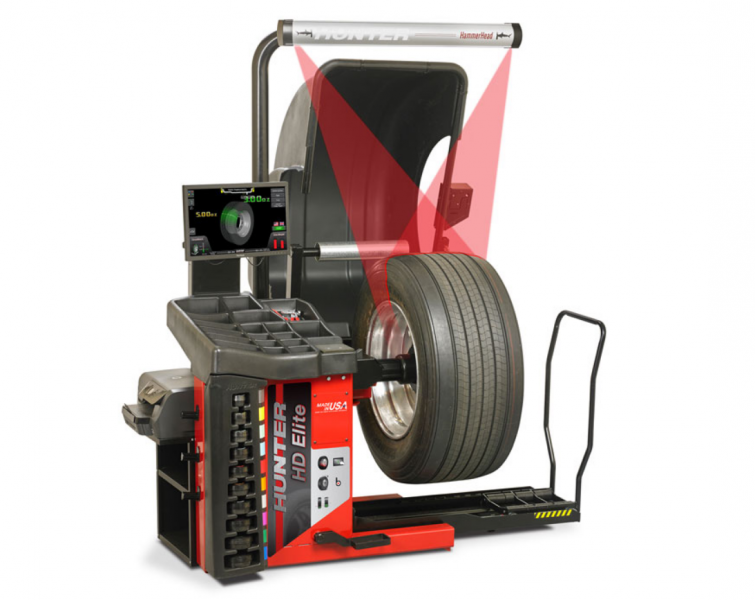
Professional Heavy-Duty Diagnostic Wheel Balance Service
Maintaining proper wheel balance is a critical but often overlooked aspect of truck safety and performance. Unbalanced wheels can lead to uneven tire wear, vibration, steering difficulties, increased fuel consumption, and even long-term suspension damage. For commercial trucks and heavy-duty vehicles, these effects are magnified due to the extreme loads, long distances, and operational demands.
At TruckHeavyTires.com, we specialize in heavy-duty diagnostic wheel balance services that restore stability, improve tire life, and enhance overall vehicle performance. Our service is designed for everything from long-haul semi-trucks and delivery fleets to construction vehicles, dump trucks, and industrial rigs.
This comprehensive guide covers why wheel balance matters, how the diagnostic process works, technical considerations, benefits, and answers frequently asked questions.
Why Wheel Balance is Essential for Heavy-Duty Trucks
Safety Concerns
Unbalanced wheels can create dangerous vibrations at high speeds, causing the driver to lose control or experience steering instability. On heavy-duty trucks, even small imbalances are amplified due to axle loads, making professional balancing essential.
Tire Longevity
Tires wear unevenly when wheels are out of balance, leading to premature replacement. By maintaining proper balance, TruckHeavyTires.com helps extend tire lifespan and maximize return on investment.
Suspension and Component Preservation
Unbalanced wheels can damage suspension components, bearings, and steering linkages. Routine wheel balancing reduces wear and prevents costly repairs.
Fuel Efficiency
Imbalanced wheels increase rolling resistance, reducing fuel economy. Proper balancing ensures smoother rotation and optimal fuel consumption for your fleet.
Driver Comfort
Vibration from unbalanced wheels can make long drives uncomfortable and fatiguing. Correct balancing improves ride quality, stability, and safety.
Types of Wheel Imbalance in Trucks
Static Imbalance
Static imbalance occurs when the weight distribution is uneven around the wheel’s circumference. This type often causes vertical bouncing and rapid tire wear.
Dynamic Imbalance
Dynamic imbalance happens when one side of the tire is heavier than the other, resulting in lateral vibrations. It can damage steering, suspension, and axle components.
Combined Imbalance
Many commercial trucks experience both static and dynamic imbalance. Diagnostic wheel balancing addresses both issues simultaneously for optimal performance.
Heavy-Duty Diagnostic Wheel Balance Process
At TruckHeavyTires.com, we follow a precise, step-by-step diagnostic and balancing process:
Step 1 – Initial Inspection
Our technicians start with a thorough visual inspection of the tires, rims, and wheel hubs. We check for signs of wear, damage, bent rims, or corrosion that may affect balance.
Step 2 – Advanced Diagnostics
Using state-of-the-art wheel balancing equipment, we measure vibrations and detect weight distribution issues. This diagnostic step identifies the type and severity of imbalance before any adjustments.
Step 3 – Weight Placement
Once diagnostic measurements are complete, we apply precision weights to specific areas of the wheel to counteract imbalance. This step is critical for trucks, as even minor errors can result in recurring vibration issues.
Step 4 – Re-testing
After weights are installed, we re-test the wheel to confirm that vibrations are eliminated and the wheel is properly balanced.
Step 5 – Final Inspection and Verification
Technicians perform a final visual and functional check, ensuring all weights are secure, tires are aligned, and the wheel assembly meets heavy-duty safety standards.
In-Shop vs. Mobile Wheel Balance
In-Shop Service
- Full diagnostic equipment
- Controlled environment for precise measurements
- Recommended for complete overhauls and scheduled maintenance
Mobile Service
- On-site balancing for fleets or roadside emergencies
- Reduces downtime for trucks
- Perfect for long-haul operators needing quick resolution
TruckHeavyTires.com provides both in-shop and mobile wheel balancing solutions, ensuring flexibility and rapid response.
Benefits of Professional Wheel Balancing
Increased Tire Life
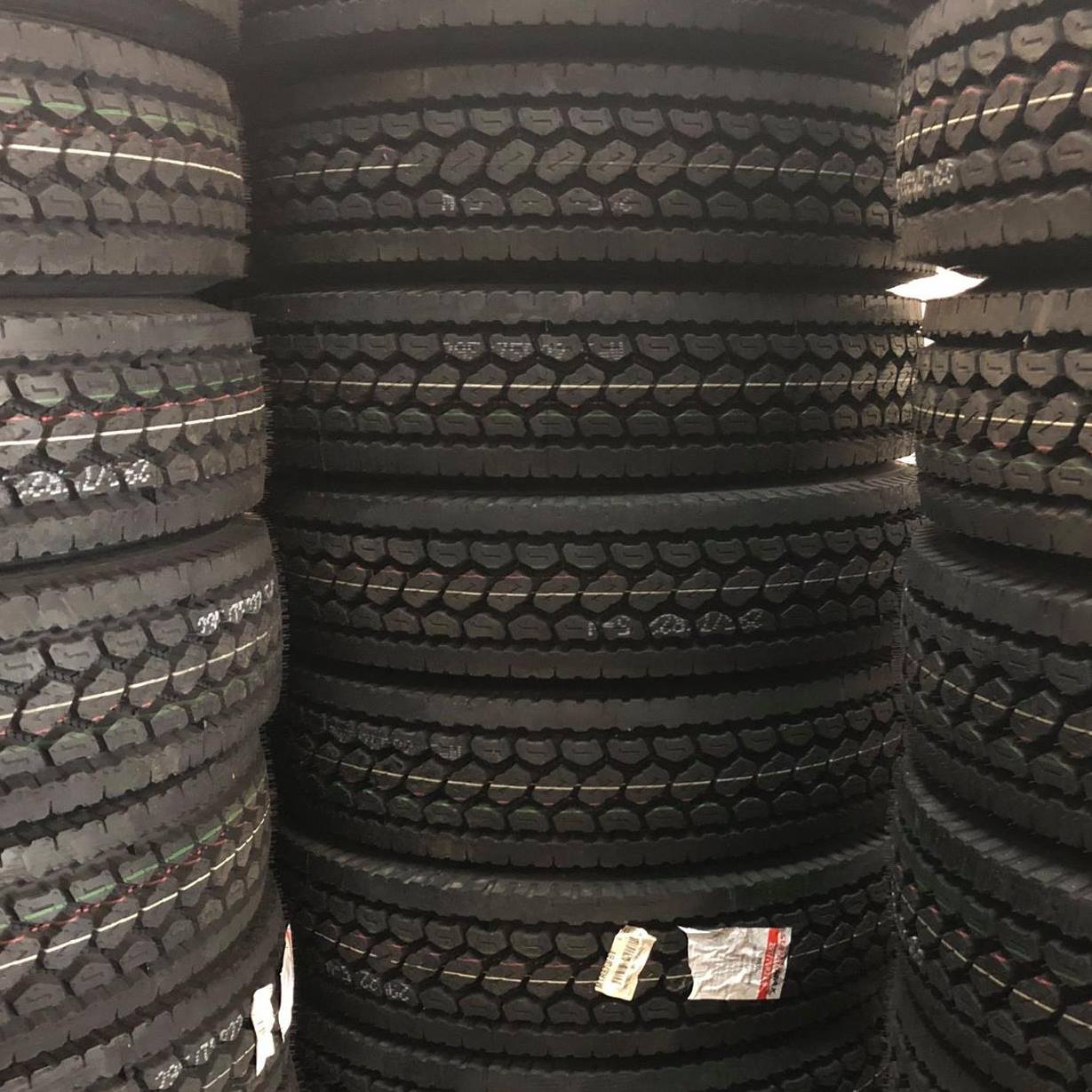
Correct wheel balance reduces uneven wear, extending the lifespan of commercial tires and delaying costly replacements.
Reduced Maintenance Costs
Balanced wheels lower stress on suspension, axles, and bearings, preventing frequent repairs.
Enhanced Vehicle Performance
A properly balanced truck drives smoothly, improves braking performance, and maintains steering precision.
Lower Fuel Costs
Balanced wheels reduce rolling resistance, allowing trucks to operate more efficiently over long distances.
Safety Assurance
Wheel balancing minimizes vibration-related risks, ensuring safer operations for drivers and cargo.
Common Signs That Your Truck Needs Wheel Balancing
- Excessive vibration in the steering wheel, seat, or floorboard
- Uneven or patchy tire wear
- Unusual noise while driving
- Steering pulling to one side
- Rough handling at highway speeds
- Frequent suspension wear
If any of these signs appear, immediate professional wheel balancing is recommended.
Technical Considerations
Heavy Truck Specifics
Truck tires are larger and heavier than passenger vehicles, requiring specialized equipment for accurate diagnostics and weight placement.
Axle and Load Factors
Different axles (steer, drive, trailer) have different balancing requirements. Load variations affect dynamic balance and require professional evaluation.
Dual Tire Balancing
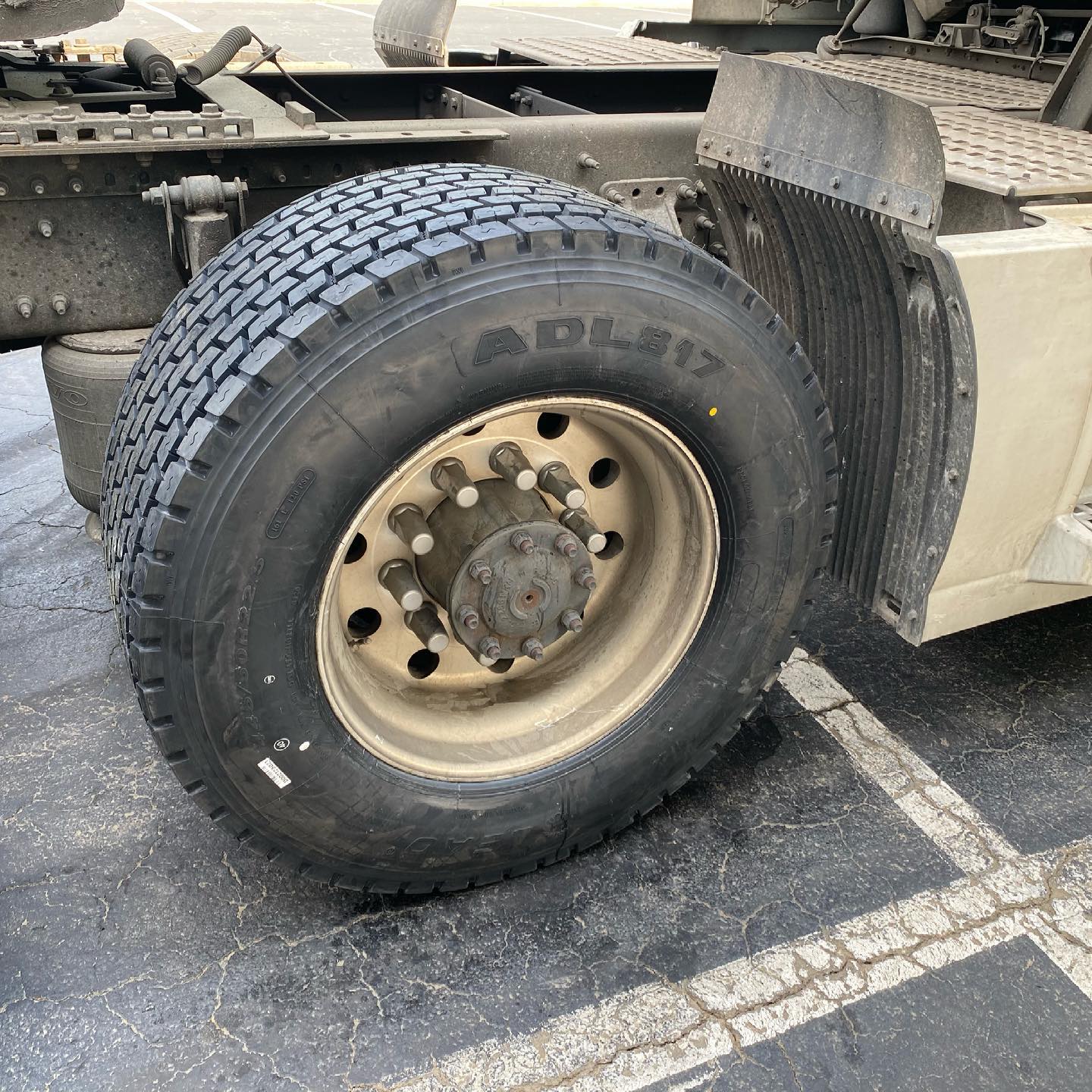
Trucks often have dual tire setups on drive axles. Uneven balance between paired tires can amplify vibration and accelerate wear. TruckHeavyTires.com handles dual-tire balance with precision, ensuring even weight distribution.
Seasonal and Road Condition Factors
Temperature changes and road conditions can influence balance over time. Periodic diagnostics ensure ongoing safety and performance.
Maintenance Tips to Preserve Balance
- Check tire pressure regularly
- Inspect rims for bends or corrosion
- Rotate tires according to manufacturer recommendations
- Schedule routine wheel balancing checks
- Avoid excessive load over the rated capacity
Routine maintenance minimizes vibration, prolongs tire life, and enhances safety.
Why Choose TruckHeavyTires.com
- Certified Technicians: Experienced in heavy-duty wheel balancing.
- 24/7 Mobile & In-Shop Service: Flexible for emergency and routine maintenance.
- Precision Diagnostics: State-of-the-art equipment ensures accurate results.
- Safety First: Every wheel is balanced to meet commercial safety standards.
- Fleet-Friendly: Rapid service minimizes downtime and protects revenue.
Conclusion
Proper wheel balance is essential for commercial truck safety, performance, and operational efficiency. Unbalanced wheels lead to tire wear, vibration, suspension damage, and higher fuel costs. TruckHeavyTires.com delivers expert heavy-duty diagnostic wheel balance services, both mobile and in-shop, to ensure your fleet stays safe, efficient, and road-ready.
Don’t wait for vibration or tire wear to compromise your truck. Schedule a diagnostic wheel balance today with TruckHeavyTires.com and experience safer, smoother, and more cost-effective driving for your commercial vehicles.
Frequently Asked Questions (FAQ)
How often should heavy-duty trucks have their wheels balanced?
For commercial trucks, wheel balancing should be performed at least every 10,000–15,000 miles, or whenever vibration or uneven tire wear is noticed.
Can a wheel balance fix steering vibration?
Yes. Most steering and chassis vibrations are caused by static or dynamic wheel imbalance. Professional balancing typically resolves these issues.
Does balancing work on all axles?
Yes. TruckHeavyTires.com balances steer, drive, and trailer axles using advanced diagnostics to ensure all wheels are correctly adjusted.
Can mobile wheel balancing replace in-shop service?
Mobile balancing is ideal for emergencies or fleet convenience, but comprehensive in-shop diagnostics may be needed for more complex issues.
How long does a full diagnostic balance take?
Typically 30–60 minutes per axle, depending on vehicle size, dual tire configuration, and level of vibration.
Will balancing prevent uneven tire wear?
Proper wheel balancing significantly reduces uneven wear, especially when combined with correct tire pressure and rotation practices.
Is this service safe for long-haul trucks?
Yes. TruckHeavyTires.com performs all balancing using certified procedures and equipment suitable for heavy-duty, long-haul trucks.