Heavy-duty alignment
Call Us 4043373294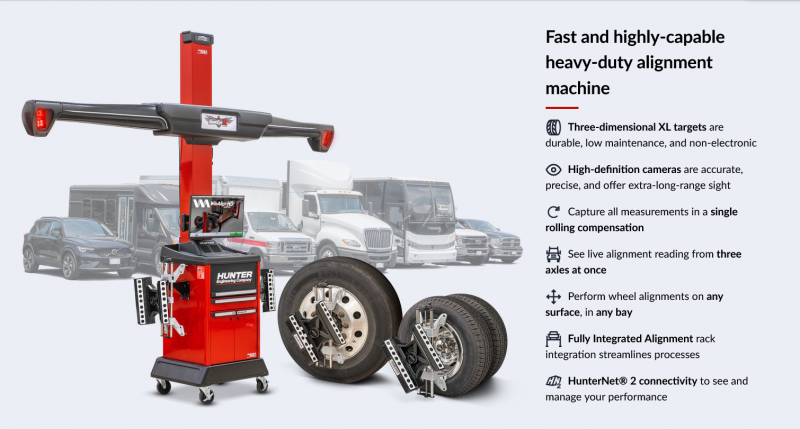
Professional Heavy-Duty Truck Alignment Services
Proper wheel alignment is one of the most critical aspects of truck maintenance. Misaligned wheels can lead to uneven tire wear, poor handling, increased fuel consumption, and stress on suspension and steering components. For heavy-duty trucks, these effects are magnified due to the weight, load, and operational demands placed on the vehicle.
At TruckHeavyTires.com, we specialize in heavy-duty alignment services designed to optimize performance, extend tire life, and ensure maximum safety for commercial vehicles. Whether you operate long-haul semi-trucks, delivery fleets, construction vehicles, or industrial rigs, our alignment service is tailored for every heavy-duty application.
This comprehensive guide explains the importance of truck alignment, types of misalignment, the alignment process, benefits, maintenance tips, and answers frequently asked questions.
Why Heavy-Duty Truck Alignment Matters
Safety First
Misaligned trucks are harder to control, especially at highway speeds. Steering pull, instability during braking, and uneven tire contact can all result from poor alignment. Proper alignment ensures predictable handling and reduces the risk of accidents.
Tire Longevity
Even slight misalignment can accelerate tire wear. By correcting alignment issues, TruckHeavyTires.com helps prevent premature tire replacement and maximizes your investment.
Suspension and Steering Health
Misalignment places excessive stress on suspension components, steering linkages, and wheel bearings. Regular alignment reduces wear and prevents costly repairs.
Fuel Efficiency
Improper alignment increases rolling resistance, leading to higher fuel consumption. Properly aligned wheels improve efficiency, lowering operational costs.
Ride Comfort
Balanced steering and wheel positioning reduce vibration, improve stability, and make long drives safer and less tiring for drivers.
Types of Heavy-Duty Truck Alignment Issues
Toe
Toe refers to the angle of the tires relative to the centerline of the truck. Toe-in or toe-out affects tire wear and steering precision.
Camber
Camber is the inward or outward tilt of the tire when viewed from the front. Excessive positive or negative camber leads to uneven tire tread wear.
Caster
Caster is the angle of the steering pivot. Proper caster ensures steering stability and return-to-center performance.
Thrust Angle
Thrust angle measures the direction the rear wheels point relative to the vehicle’s centerline. Misaligned rear axles can cause uneven tire wear and handling issues.
Signs Your Truck Needs Alignment
- Uneven tire wear or bald spots
- Steering wheel off-center while driving straight
- Pulling to one side
- Vibration in the steering wheel
- Excessive tire noise
- Premature wear on suspension or steering components
If any of these symptoms are present, immediate alignment is recommended to prevent further damage.
Heavy-Duty Alignment Process at TruckHeavyTires.com
Step 1 – Initial Inspection
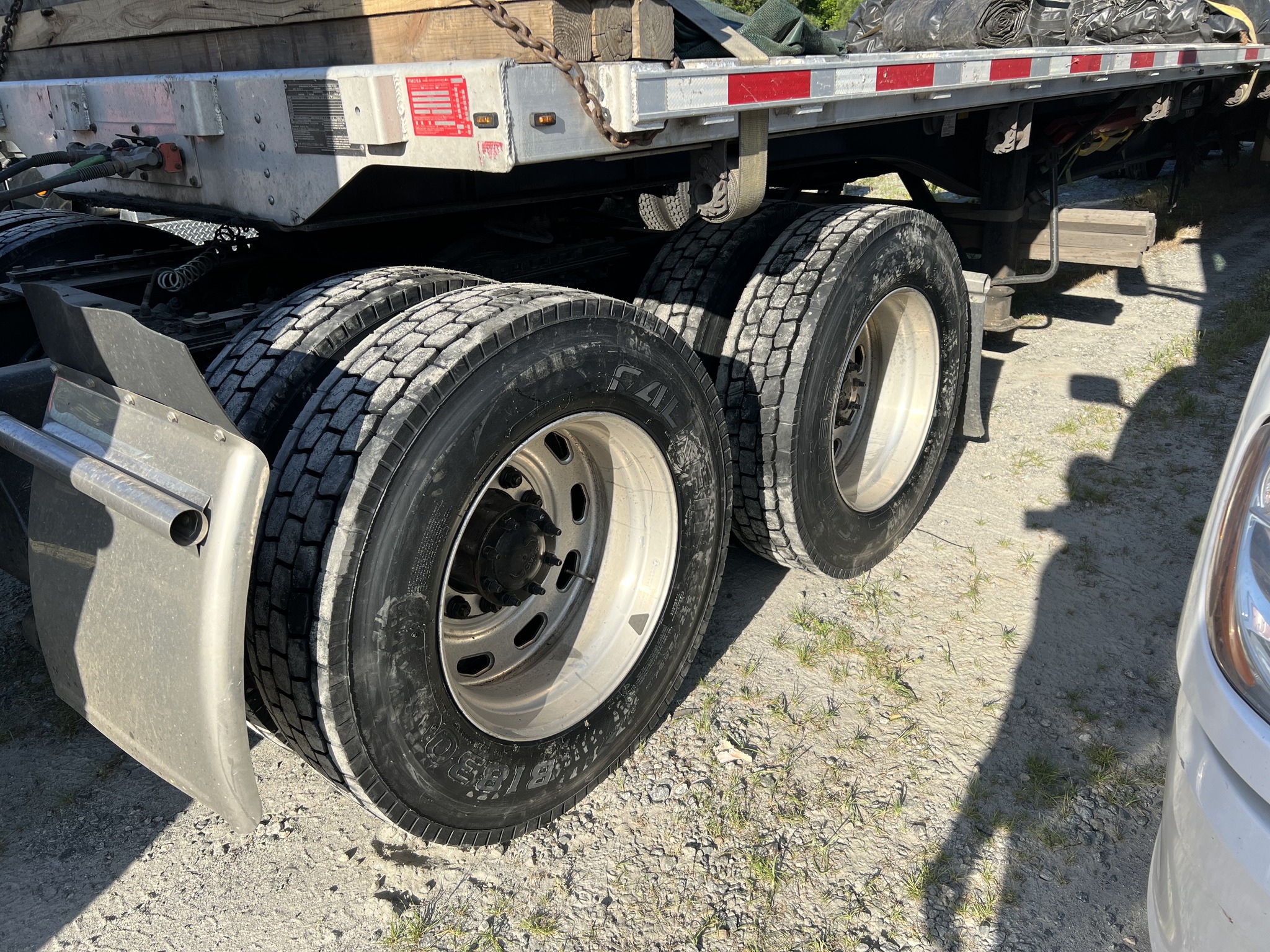
Our technicians start by checking tires, rims, suspension components, and steering linkages. We identify any damage that may affect alignment results.
Step 2 – Measurement and Diagnostics
Using state-of-the-art alignment equipment, we measure toe, camber, caster, and thrust angles. These measurements pinpoint exact misalignments.
Step 3 – Adjustment
Based on diagnostic data, technicians adjust steering and suspension components to bring all angles within manufacturer specifications.
Step 4 – Re-Testing
After adjustments, we re-measure all alignment parameters to ensure precision and compliance with heavy-duty standards.
Step 5 – Final Inspection and Verification
We perform a final check of all components and ensure the vehicle drives straight, handles predictably, and tires are evenly contacting the road surface.
In-Shop vs. Mobile Alignment Services
In-Shop Alignment
- Controlled environment for maximum precision
- Full diagnostics with advanced alignment machines
- Recommended for scheduled maintenance and fleet overhauls
Mobile Alignment
- On-site service for roadside emergencies or fleet convenience
- Reduces downtime and towing needs
- Ideal for long-haul operators or remote locations
TruckHeavyTires.com provides both in-shop and mobile alignment options to meet every operational need.
Benefits of Professional Heavy-Duty Alignment
Longer Tire Life
Correct alignment prevents uneven wear and extends the service life of commercial tires.
Reduced Maintenance Costs
Proper alignment reduces stress on suspension and steering components, preventing premature failure.
Improved Vehicle Performance
Aligned wheels provide smoother handling, better braking, and safer steering response.
Fuel Savings
Balanced tire angles reduce rolling resistance, leading to more efficient fuel consumption.
Enhanced Safety
Aligned trucks are easier to control, even under heavy loads, improving driver safety.
Maintenance Tips to Preserve Alignment
- Check tire pressure regularly
- Inspect suspension and steering components for wear
- Rotate tires according to manufacturer recommendations
- Avoid overloading the vehicle
- Schedule periodic alignment checks
Routine maintenance ensures optimal alignment and prevents long-term wear and damage.
Why Choose TruckHeavyTires.com for Heavy-Duty Alignment
- Certified Technicians: Experts trained in heavy-duty truck alignment.
- Advanced Equipment: State-of-the-art diagnostic tools for accurate results.
- 24/7 Service Options: Both in-shop and mobile alignment available.
- Fleet-Friendly Solutions: Efficient service to minimize downtime.
- Safety First: All adjustments follow manufacturer and commercial vehicle standards.
By choosing TruckHeavyTires.com, fleets and individual truck operators receive safe, precise, and reliable alignment services tailored to heavy-duty vehicles.
Conclusion
Proper alignment is a cornerstone of heavy-duty truck maintenance. It improves tire life, fuel efficiency, vehicle handling, and overall safety. With professional heavy-duty alignment services from TruckHeavyTires.com, commercial truck operators can ensure that every wheel is precisely adjusted, every load is handled safely, and downtime is minimized.
Don’t risk uneven tire wear, steering instability, or suspension damage — schedule a heavy-duty alignment with TruckHeavyTires.com today and keep your fleet running safely, efficiently, and smoothly.
Frequently Asked Questions (FAQ)
How often should heavy-duty trucks have their alignment checked?
Truck alignment should be checked at least every 10,000–15,000 miles, or whenever uneven tire wear or steering issues appear.
Can alignment improve tire wear?
Yes. Proper alignment ensures even tire contact, reducing uneven wear and extending tire lifespan.
Will alignment help with steering pull?
Absolutely. Misaligned wheels often cause vehicles to pull to one side. Alignment corrects steering angles for straight-line stability.
Is mobile alignment as accurate as in-shop service?
Mobile alignment uses precision diagnostic equipment and skilled technicians. While in-shop services may allow for more complex adjustments, mobile alignment is highly effective for most fleets and emergency situations.
How long does a full truck alignment take?
A complete alignment usually takes 45–90 minutes, depending on the vehicle size, number of axles, and any required suspension adjustments.
Does alignment affect fuel efficiency?
Yes. Misaligned wheels increase rolling resistance, leading to higher fuel consumption. Correct alignment optimizes efficiency.
Can misalignment damage my suspension?
Yes. Continuous driving with misaligned wheels stresses suspension and steering components, leading to premature wear and costly repairs.
Do I need alignment after replacing tires?
Yes. New tires should be aligned to ensure even wear and optimal performance from the start.